Your home should reflect who you are, but finding the right look isn’t always easy. You might love the clean simplicity of a modern living room, the warmth of rustic wooden furniture, or the relaxed atmosphere of a coastal bedroom. With so many interior design styles to explore, understanding what makes each one different can help you create a home that feels both beautiful and comfortable.
The good news is that you do not need an expensive renovation or professional design experience to create a cohesive interior. Understanding furniture shapes, colors, materials, lighting, and room layouts can make everyday decorating decisions much easier.
In this guide, we will explore 15 popular interior design styles, explain their defining characteristics, and show you how to bring each look into your own home. You will also learn how to choose a style that suits your space, combine different influences, and avoid common decorating mistakes.
What Are Interior Design Styles?
Interior design styles are recognizable approaches to arranging and decorating indoor spaces. Each style has its own combination of colors, materials, furniture, patterns, textures, and decorative details.
For example, Scandinavian interiors typically emphasize natural light, pale wood, and comfortable simplicity, while Art Deco interiors often feature geometric patterns, luxurious materials, and dramatic contrasts.
However, interior design involves more than choosing attractive furniture. A well-designed space should also support daily activities, comfortable movement, practical storage, and appropriate lighting.
The American Society of Interior Designers emphasizes that interior design considers functionality, accessibility, safety, and the needs of the people using a space.
Understanding different styles gives you a useful starting point, but your lifestyle and your home’s characteristics should ultimately guide your decisions.
15 Popular Interior Design Styles and Their Characteristics
Although decorating trends change, many established interior design styles remain appealing because they offer recognizable design principles you can adapt to different homes. Some create calm and simplicity, while others celebrate color, texture, or architectural character.
1. Modern Interior Design Style
Modern interior design is known for clean lines, practical furniture, open spaces, and minimal ornamentation. Rooted in twentieth-century modernist design, it emphasizes simplicity and function rather than elaborate decoration.
Common materials include glass, steel, leather, and polished or natural wood. Colors often range from white and gray to black and warm neutrals, with occasional bold accents.
A modern living room might feature a low-profile sofa, a rectangular coffee table, simple artwork, and carefully positioned lighting. The aim is to create a balanced environment without unnecessary furniture or clutter.
Modern design works particularly well for homeowners who appreciate organized spaces and straightforward furniture.
2. Contemporary Interior Design Style
Contemporary interior design refers to styles that reflect present-day preferences. Unlike modern design, which has a specific historical background, contemporary design continues to evolve.
Contemporary interiors often combine clean furniture lines with curved shapes, mixed materials, textured fabrics, and statement lighting. A room might include a sculptural chair, a softly rounded sofa, and natural stone alongside simple cabinetry.
Neutral colors often form the foundation, while artwork or upholstery adds personality.
This approach suits homeowners who want a polished look but the flexibility to update their tastes without completely redesigning their homes.
3. Minimalist Interior Design Style
Minimalist interior design focuses on keeping only what is useful, meaningful, or visually important. Instead of filling a room with decorations, it emphasizes space, proportion, and carefully selected furnishings.
Simple furniture, concealed storage, uncluttered surfaces, and restrained colors are common characteristics. White, beige, gray, and muted earth tones all work well in a minimalist interior.
However, minimalism does not mean making a home uncomfortable or empty. A soft rug, comfortable seating, and warm lighting can make a simple room welcoming.
This style is particularly practical for people who prefer less visual clutter and easy daily maintenance.
4. Scandinavian Interior Design Style
Scandinavian interior design combines simplicity, functionality, and comfort. Influenced by Nordic design traditions, it often uses light-colored walls, pale timber, natural fabrics, and furniture with uncomplicated shapes.
Oak, birch, wool, linen, and cotton are commonly associated with this style. Soft lighting, cozy throws, and understated accessories help create warmth without making the room feel crowded.
Imagine a bright bedroom with white walls, a light wooden bed, neutral bedding, and a small reading lamp. The space feels relaxed because every element contributes to comfort.
Scandinavian interiors are especially appealing in compact homes and rooms where maximizing available daylight is important.
5. Japandi Interior Design Style
Japandi combines Japanese-inspired restraint with the warmth and practicality associated with Scandinavian design.
It emphasizes natural materials, simple forms, quiet colors, and thoughtful craftsmanship. Low-profile furniture, handmade ceramics, linen textiles, and wood finishes help establish its distinctive character.
Compared with traditional Scandinavian interiors, Japandi often introduces deeper earthy colors, darker timber, and a stronger sense of visual restraint.
A Japandi bedroom might feature a low wooden bed, warm beige walls, soft lighting, and a limited selection of decorative objects.
This style is ideal for people who want a peaceful atmosphere without sacrificing warmth or personality.
6. Mid-Century Modern Interior Design Style
Mid-century modern design developed during the mid-twentieth century and remains recognizable for its functional furniture and distinctive shapes.
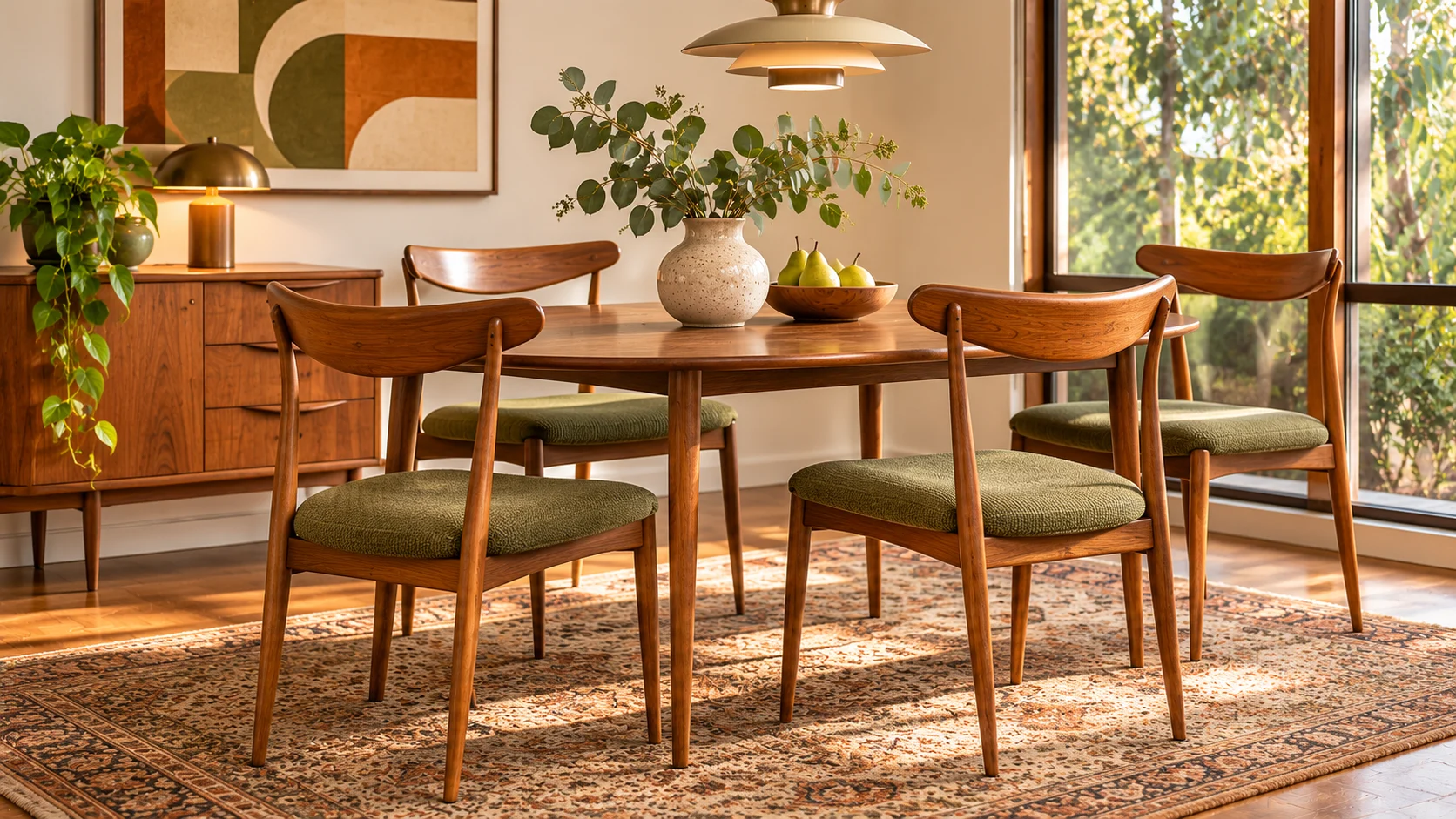
Common features include tapered wooden legs, streamlined cabinets, organic curves, and sculptural chairs. Walnut and teak finishes often pair with colors such as mustard yellow, olive green, burnt orange, and teal.
A mid-century living room could include a wooden sideboard, a compact sofa, a vintage-inspired floor lamp, and abstract artwork.
The furniture often has visually lighter proportions, making selected pieces useful in smaller spaces.
Mid-century modern design suits homeowners who appreciate vintage character while still wanting an uncluttered, practical interior.
7. Traditional Interior Design Style
Traditional interior design draws inspiration from established European and other historical decorating traditions. It favors familiar furniture shapes, decorative details, and a sense of formality or comfort.
Depending on the influence, interiors may feature carved wooden furniture, patterned upholstery, detailed moldings, framed artwork, and layered window treatments.
Rich wood tones, cream, burgundy, navy, and muted green can create a classic atmosphere.
A traditional living room might include comfortable upholstered seating, an antique-style wooden table, and a coordinated collection of artwork.
Traditional design works well in homes with architectural character, though you can also introduce its features selectively into newer properties.
8. Transitional Interior Design Style
Transitional design combines traditional elegance with contemporary simplicity. It creates an appealing balance between decorative detail and clean furniture lines.
A transitional room might feature classic wall moldings alongside a streamlined sofa, modern lighting, and a subtle patterned rug.
The color palette often includes warm white, taupe, beige, gray, and gentle accent colors. Natural wood and comfortable fabrics add warmth.
This style is particularly useful when you already own traditional furniture but want your home to feel more updated.
Instead of replacing every piece, you can simplify accessories and introduce contemporary elements to create a cohesive look.
9. Industrial Interior Design Style
Industrial interior design takes inspiration from factories, warehouses, and converted commercial buildings.
Exposed brick, concrete surfaces, metal furniture, visible structural features, and reclaimed wood are common characteristics. Black, charcoal, rust, and brown frequently dominate the palette.
An industrial living room might include a leather sofa, metal shelving, a wooden coffee table, and simple pendant lighting.
Although the style celebrates raw materials, introducing textiles, rugs, and comfortable seating prevents the room from feeling cold.
Industrial design works naturally in loft apartments, but smaller homes can incorporate its character through lighting, furniture, and decorative finishes without creating artificial exposed structures.
10. Modern Farmhouse Interior Design Style
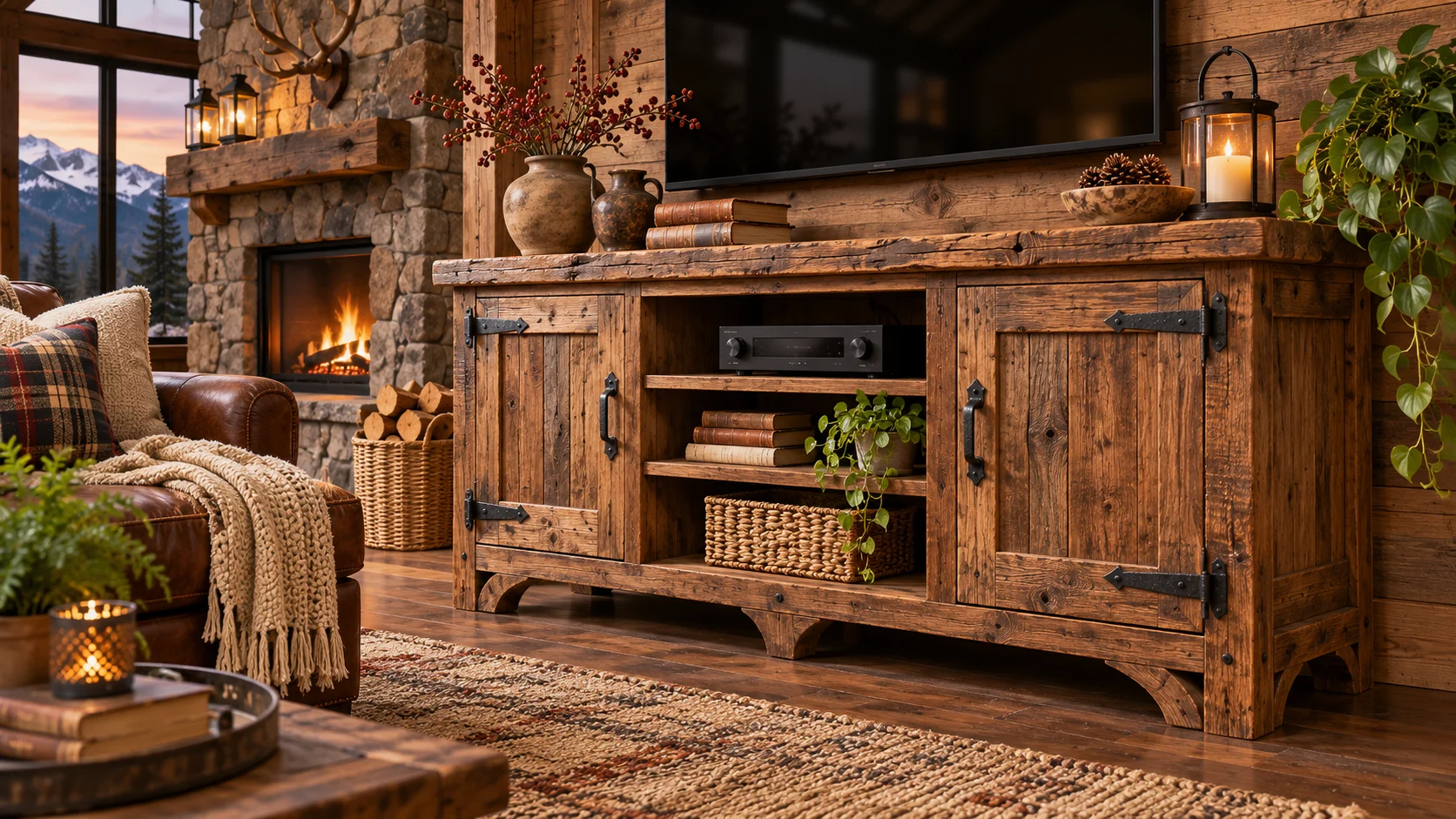
Modern farmhouse design blends rustic warmth with simple, updated furnishings. It creates a comfortable atmosphere through natural materials, practical furniture, and understated decorative details.
Common features include woodenables, woven baskets, textured fabrics, simple cabinetry, and warm neutral colors a
A farmhouse-inspired bedroom might feature a wooden bed, soft white bedding, natural fiber rugs, and vintage-style lighting.
If you enjoy this look, our white rustic bedroom set guide explains how furniture materials, finishes, and sizes influence the overall appearance.
The most successful farmhouse interiors balance rustic character with modern convenience rather than relying on excessive themed decorations.
11. Coastal Interior Design Style
Coastal interior design draws on the light, natural textures and relaxed atmosphere of seaside environments.
Common colors include soft white, sandy beige, pale blue, and muted green. Linen, cotton, light wood, and woven materials create an airy look.
A coastal bedroom could feature light-colored bedding, simple wooden furniture, sheer curtains, and subtle blue accents.
However, coastal decorating does not require seashell ornaments or nautical patterns throughout the room. Natural materials and an open, comfortable layout often communicate the style more effectively.
This approach is especially attractive for homeowners who prefer bright, casual spaces and a relaxed atmosphere.
12. Bohemian Interior Design Style
Bohemian, often called boho, celebrates individuality, layered textures, artistic expression, and collected furnishings.
Unlike highly structured styles, bohemian interiors welcome mixed patterns, vintage furniture, handmade accessories, and meaningful personal objects.
Warm earth tones, colorful textiles, woven rugs, plants, and natural materials frequently appear together.
A bohemian living room might combine a neutral sofa with patterned cushions, a vintage rug, ceramic accessories, and original artwork.
Although the style looks relaxed, repeating a few colors and materials helps maintain balance.
Bohemian design is especially appealing if you enjoy collecting distinctive pieces and creating interiors that tell a personal story.
13. Art Deco Interior Design Style
Art Deco developed prominently during the 1920s and 1930s and is associated with geometric decoration, elegant craftsmanship, and luxurious materials.
The Metropolitan Museum of Art documents the movement’s emphasis on ornamentation, sophisticated forms, and decorative craftsmanship.
Art Deco interiors frequently feature symmetrical arrangements, bold geometric patterns, polished surfaces, and metallic accents.
Deep green, navy, black, burgundy, and gold can create a dramatic appearance.
You do not need an elaborate renovation to introduce this style. A geometric mirror, velvet chair, elegant lighting fixture, or patterned wallpaper can add Art Deco character to an otherwise simple room.
14. Organic Modern Interior Design Style
Organic modern design combines the clean structure of modern interiors with softer, nature-inspired materials and forms.
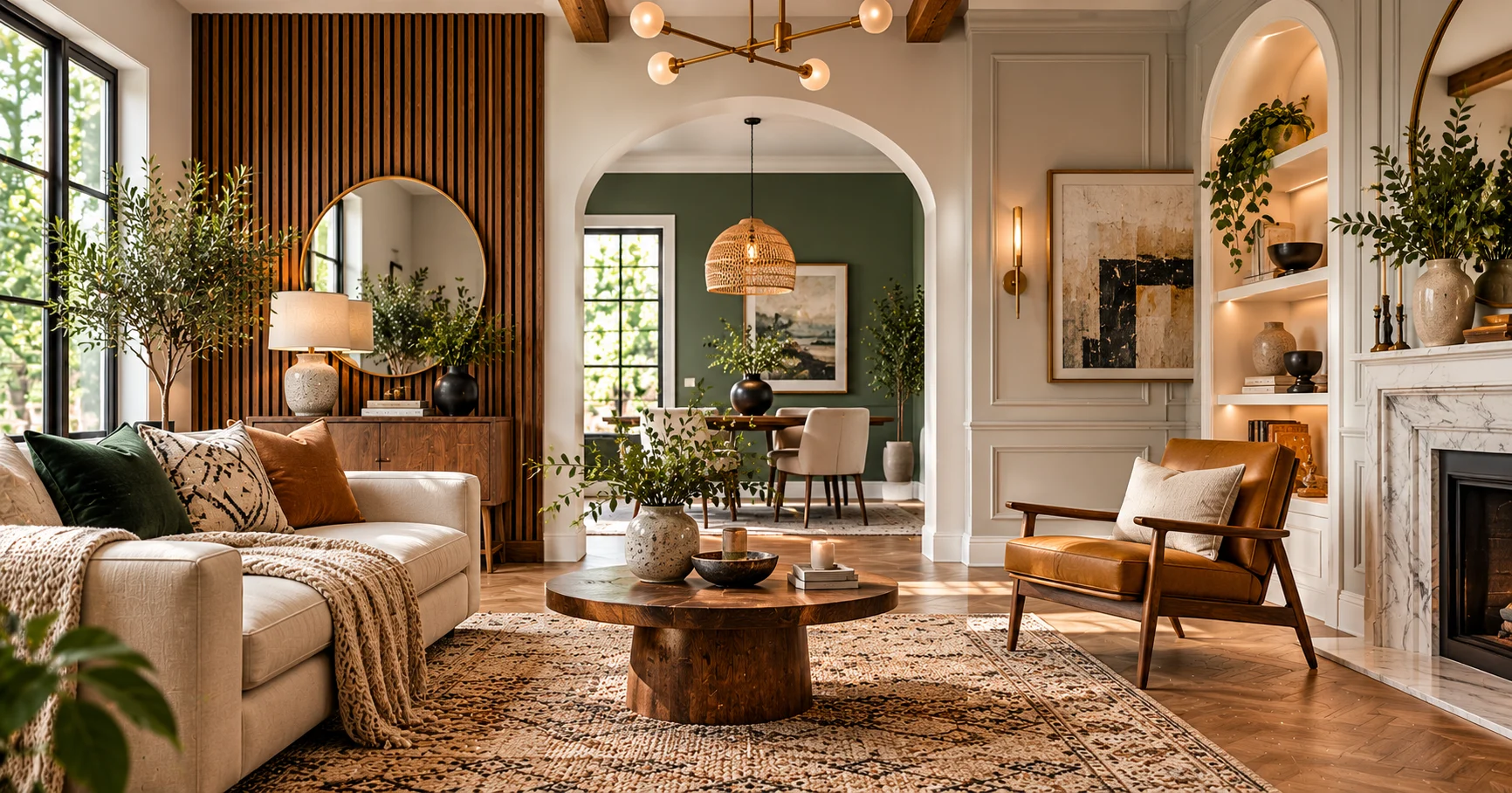
Instead of relying entirely on sharp lines and polished surfaces, it introduces curved furniture, natural timber, stone, woven textures, and comfortable upholstery.
Warm white, sand, clay, taupe, and muted green often form the color palette.
A living room might feature a curved sofa, wooden side tables, textured cushions, and a sculptural coffee table.
Our chubby coffee table guide explores rounded table shapes and materials that can complement this type of interior.
Organic modern design suits homeowners who appreciate simplicity but want their rooms to feel softer and more inviting.
15. Maximalist Interior Design Style
Maximalism embraces expressive color, layered patterns, collected objects, and decorative richness.
Rather than minimizing accessories, it encourages homeowners to display artwork, books, meaningful collections, and distinctive furniture.
A maximalist living room might combine colorful wallpaper, a patterned rug, vintage seating, and a gallery wall.
However, successful maximalism is not simply filling every available space. Repeating selected colors, balancing larger patterns with smaller ones, and maintaining clear walking areas make the room more comfortable.
This style suits people who enjoy creativity, personal collections, and interiors that express their interests.
How to Choose the Right Interior Design Style for Your Home
Choosing between different interior design styles becomes easier when you focus on how you want your home to function rather than selecting furniture based only on photographs.
Start by observing your existing space. Consider the room’s dimensions, natural light, flooring, architectural features, and furniture you plan to keep. A style that complements these elements may require fewer expensive changes.
Next, think about your lifestyle. A busy family may benefit from durable fabrics, easy-clean surfaces, and generous storage, while someone who enjoys collecting books and artwork may prefer a more layered interior.
Create a small collection of inspiring room photographs and identify what they have in common. You may notice repeated wood tones, curved furniture, particular colors, or a preference for simple surroundings.
Before purchasing furniture, read our complete guide to home decorating for practical guidance on layout, scale, color, lighting, and furniture placement.
Finally, test your preferred design direction in one room. Paint samples, cushion covers, curtains, and artwork allow you to experiment without committing to costly permanent changes.
Can You Mix Different Interior Design Styles?
Yes. Many attractive homes combine influences from multiple design styles rather than following one category perfectly.
This approach is often called eclectic decorating, where you deliberately combine pieces from different periods and styles.
For example, a contemporary living room can include a mid-century wooden cabinet and a traditional patterned rug. The arrangement works best when the furniture shares a consistent color palette, suitable proportions, or repeated materials.
A practical starting approach is to let one style establish the room’s overall character, then introduce smaller elements from another style.
You might choose Scandinavian simplicity as the foundation and add bohemian cushions or handmade ceramics.
The important consideration is visual connection. Without repeated colors, shapes, or textures, an eclectic room can feel accidental rather than intentional.
Which Interior Design Styles Work Best for Small Homes?
Smaller homes often benefit from minimalist, Scandinavian, Japandi, and selected mid-century modern influences because these approaches can emphasize practical furniture and uncluttered layouts.
However, no particular style automatically makes a room larger. Furniture dimensions, lighting, storage, and clear walking routes are more important than the style label.
Choose furniture that fits comfortably, consider pieces with integrated storage, and avoid blocking windows with oversized cabinets.
In bedrooms, the relationship between bed size and available floor space matters most. Our master bedroom dimensions guide explains how room measurements affect furniture placement.
Even colorful or traditional styles can work beautifully in compact spaces when furnishings are properly proportioned.
How to Create Your Favorite Interior Style on a Budget
Achieving a particular design style does not necessarily require replacing all your existing furniture.
Start with changes that influence the room’s overall atmosphere. Repainting walls where appropriate, rearranging furniture, changing curtains, and introducing a coordinated rug can make a noticeable difference.
Secondhand furniture is another useful option, particularly for mid-century, farmhouse, traditional, and eclectic interiors.
Wall treatments can also establish personality without requiring major renovations. For inspiration, explore our small entryway wallpaper ideas.
Prioritize durable furniture and essential lighting before purchasing decorative accessories. A smaller number of carefully selected pieces usually creates a more satisfying result than numerous inexpensive items purchased without a clear plan.
Common Interior Design Mistakes to Avoid
One common mistake is copying an inspiration photograph without considering the actual room. Furniture that looks balanced in a large showroom may overwhelm a smaller living room.
Another is selecting paint colors before considering existing flooring, cabinetry, and upholstery. These permanent or expensive elements should influence the overall palette.
Poor lighting, insufficient storage, and excessive decorative accessories can also undermine an otherwise attractive design.
Most importantly, avoid treating style as more important than comfort. A beautiful room should still provide convenient seating, accessible storage, suitable lighting, and enough space for daily activities.
Frequently Asked Questions About Interior Design Styles
Widely recognized interior design styles include modern, contemporary, minimalist, Scandinavian, Japandi, mid-century modern, traditional, transitional, industrial, coastal, farmhouse, bohemian, Art Deco, organic modern, and maximalist. Their appeal varies according to personal taste, location, and changing decorating preferences.
Modern design is associated with twentieth-century modernist principles, including functional furniture, clean lines, and restrained ornamentation. Contemporary design describes current approaches and can incorporate changing colors, materials, shapes, and decorative influences.
Traditional, transitional, and restrained modern interiors can remain appealing over many years because they often emphasize balanced proportions, functional furniture, and durable materials. However, timelessness depends more on thoughtful choices and personal preferences than on any single design style.
Scandinavian, minimalist, Japandi, and mid-century modern designs can suit small apartments because they work well with practical furniture and carefully managed spaces—a good layout, appropriate furniture dimensions, and useful storage matter more than the style itself.
Yes. Your bedroom can be Japandi-inspired while your living room follows a contemporary style. Repeating a few colors, materials, or decorative details between adjoining spaces helps the home feel connected without making every room look identical.
Not necessarily. Many homeowners can create a cohesive look through careful research, measurement, and gradual decorating changes. For complex remodeling, structural alterations, or major layout changes, qualified professional assistance can be valuable. Our interior designer for house renovation guide explains when professional help may be beneficial.
Create a Home That Reflects Your Personal Style
The best interior design style is not necessarily the newest or most expensive. It is the one that complements your home’s architecture, supports everyday activities, and makes you feel comfortable.
Whether you prefer the simplicity of Scandinavian design, the natural warmth of organic modern interiors, or the expressive character of bohemian decorating, understanding each style’s foundations helps you make more confident decisions.
Begin with the furniture and features you already own, identify what you genuinely enjoy, and introduce changes gradually. A thoughtfully designed home develops through practical decisions and personal details, not simply by following a decorating trend.